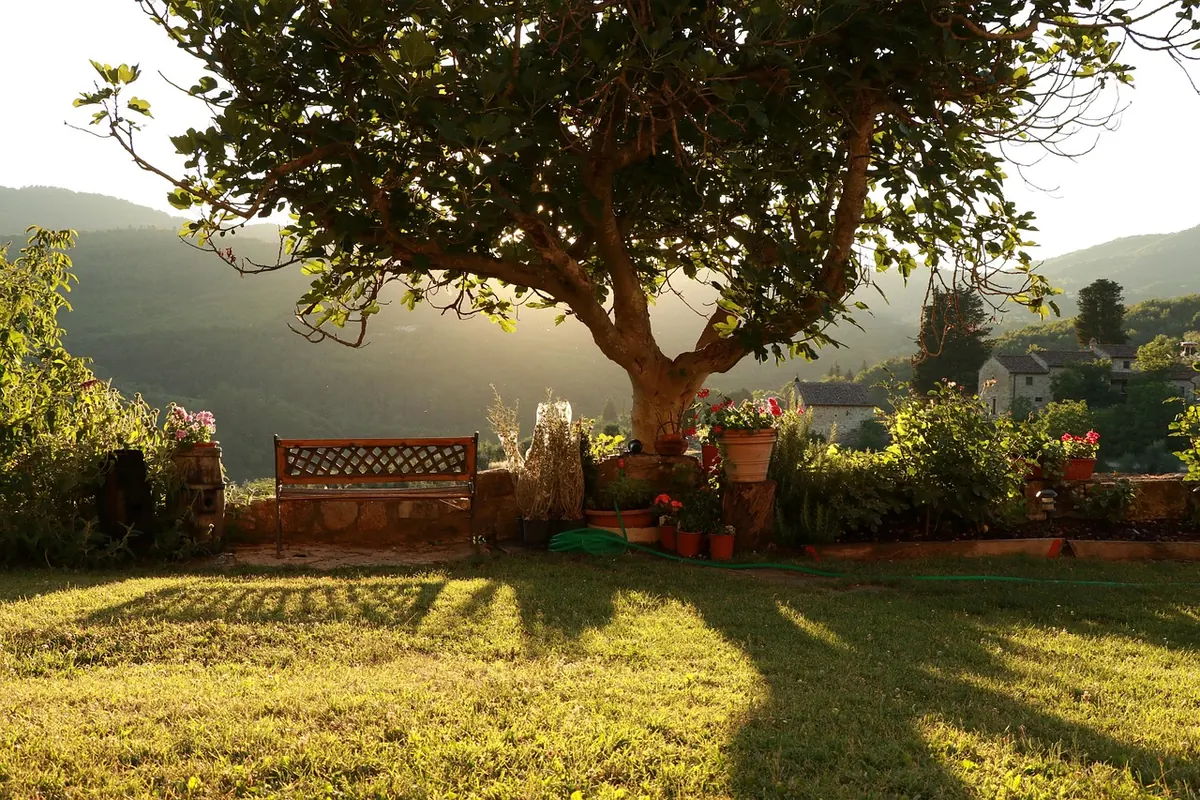
How to Read a Sunset Forecast Before Booking a Terrace Table
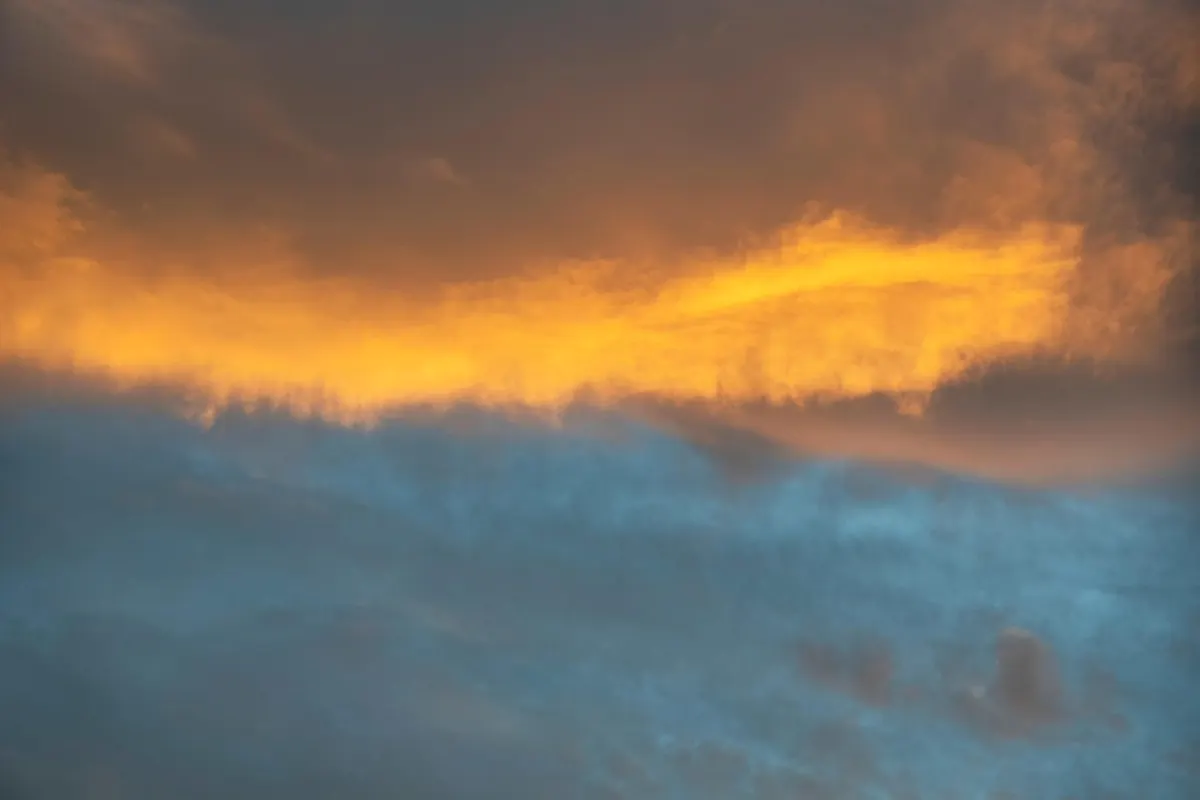
Booking a terrace table for sunset is a small act of optimism. You choose the spot, you pick an hour, and you quietly bet on the sky. Sometimes the sky pays out in a wash of orange that makes the next table fall silent. Sometimes it hands you a flat grey sheet and the bill.
The difference between those two evenings is rarely pure luck. A sunset forecast is one of the easier things to read once you know which numbers actually matter, and you don't need a meteorology degree to make sense of it. Ten minutes with the right sources before you book will tell you more about your chances than any photograph of the view ever will.
Start With the Clouds You Can See
Clouds are the first thing to check, but not as a single percentage. What matters is where they sit in the atmosphere, because the three main layers behave completely differently when the sun goes down.
High cloud is your friend
Thin, wispy cloud high up — cirrus, cirrostratus — sits above the sun's path and catches its light after the sun itself has dropped below the horizon. This is where most of the famous pink and violet afterglow comes from. A sky with a scattering of high cloud and a clean low horizon is close to ideal.
Mid-level cloud adds drama
Altocumulus and similar mid-level cloud can be spectacular, especially when it is broken rather than solid. Light passing underneath and between the fragments sets the cloud edges alight. If the forecast shows 30 to 60 percent mid-level cover, that is often more interesting than a perfectly empty sky.
Low cloud is the one that spoils things
Thick low cloud — the heavy grey deck within a couple of thousand metres of the ground — is what blocks the sun before it reaches the horizon line. A clear upper sky means nothing if a solid band of low cloud is sitting between you and the setting sun. Look for low cloud cover under about 20 percent if you want an unobstructed view.
A completely clear sky is pleasant but often brief: the sun slides away, the colour fades fast, and you are left with a pale blue evening. Broken cloud gives the light something to work with.
Haze and Humidity: The Quiet Filter
Haze is the second variable, and beginners usually ignore it. It is suspended dust, salt or pollution in the air, and it changes the character of a sunset rather than simply cancelling it.
A light haze acts like a warm filter. It softens contrast, deepens the oranges and reds, and makes the sun look larger and more colourful as it approaches the horizon. Heavy haze does the opposite: the sun becomes a pale, shrinking disc that fades out well above the horizon line, and the whole scene turns milky and flat.
Where does haze show up in a forecast? Look for visibility figures and, if your app offers them, aerosol or dust readings. Warm, humid summer evenings near the coast often carry more haze than crisp autumn ones; a sea breeze can clear it or drag it in depending on direction. If visibility is reported as excellent, expect a cleaner, sharper light. If it is merely moderate, expect a softer, warmer, less defined sunset — which is not necessarily a bad thing.
The Horizon Is Only as Clear as Its Lowest Slice
Most people check the sky and forget the ground. The relevant horizon isn't the abstract line you learn about in geography lessons; it is whatever the sun has to clear in the last few degrees of its descent. A hill, a row of buildings, a distant island or a bank of cloud sitting on the water all count.
Two practical habits help here. First, find out the compass direction of sunset for your chosen date — it shifts noticeably through the year, so a terrace that is perfectly placed in October may have the sun dropping behind a headland in June. Second, look at where the sun will actually be from your table, not from the town in general. A west-facing terrace on the fifth floor sees a very different horizon from a courtyard two streets back.
Also watch for distant showers and thunderstorm anvils. They can park themselves exactly on the sunset line and stay there for an hour.
What Weather Apps Actually Tell You
General weather apps are built to answer "will it rain?" — not "will the sunset be good?". They still contain most of what you need if you read the hourly detail instead of the daily summary icon.
- Cloud cover by layer. Look for a breakdown into low, mid and high cloud at the specific sunset hour, not an average for the day.
- Visibility and haze indicators. Anything reporting dust, aerosols or air quality helps you judge how warm or washed-out the light will be.
- Precipitation timing. A 40 percent chance of rain means little; rain forecast to clear two hours before sunset is often the best possible setup.
- Wind direction and strength. It affects comfort on an exposed terrace and often decides whether coastal haze arrives or leaves.
- Forecast confidence. Some apps show agreement between models. Low confidence three days out is your cue to wait before committing.
Treat a seven-day sunset forecast as a rumour. Three days out it becomes a guess worth acting on. Within twenty-four hours it is usually reliable enough to book against. Comparing two independent apps is a quick way to spot disagreement.
A Two-Minute Routine Before You Book
- Note the exact sunset time for your date and location — it may be earlier than you assume.
- Open two forecasts and compare cloud cover by layer at that hour.
- Check visibility and whether any haze or dust is forecast.
- Confirm the sun's compass direction and look for obstacles in that line from your table.
- Look at the half hour after sunset, when the best colour often arrives.
- Check wind and temperature so the evening is comfortable, not just photogenic.
- Read the terrace's cancellation policy before you hand over a deposit.
When the Forecast Looks Imperfect
A mixed forecast is often better than a clean one. The memorable evenings usually come from a narrow clear slot between a low cloud deck and the horizon, with higher cloud above to catch the light once the sun has gone. If the numbers show broken cloud, a low chance of a shower and good visibility, that is worth a booking.
What deserves caution is uniform, thick, low overcast with poor visibility — the kind of grey that never lifts. In that case, move the booking or choose a terrace with an indoor room and a view, so the evening works either way.
Final Checks Before You Confirm the Table
Ask for a table on the side that faces the sunset and mention why you are booking. Arrive twenty minutes before sunset rather than five, since the light before the sun drops is often the best of the night. Keep a backup date in mind, especially in shoulder seasons when a single weather system can decide your whole week. And if the sky does turn grey, order something good and enjoy the company — the forecast is a tool, not a promise.
Photo: ELG21 / Pixabay