Sunset Terrace vs. Rooftop Bar: Which Evening Spot Fits Your Plan?
Two evenings, one city, the same golden hour. On one, you sit on a terrace with a low wall, an open horizon and a chair angled toward the light. On the other, you stand two floors higher with a glass in hand while the sunset plays second fiddle to the room. Both are good nights. They are not the same night, and the mistake most people make is booking one while quietly expecting the other.
Here is an honest side-by-side of how the two venue types differ, and how to pick the one that matches the evening you actually have planned.
Atmosphere: A Room Built for a Moment vs. a Room Built for a Night
On a sunset terrace
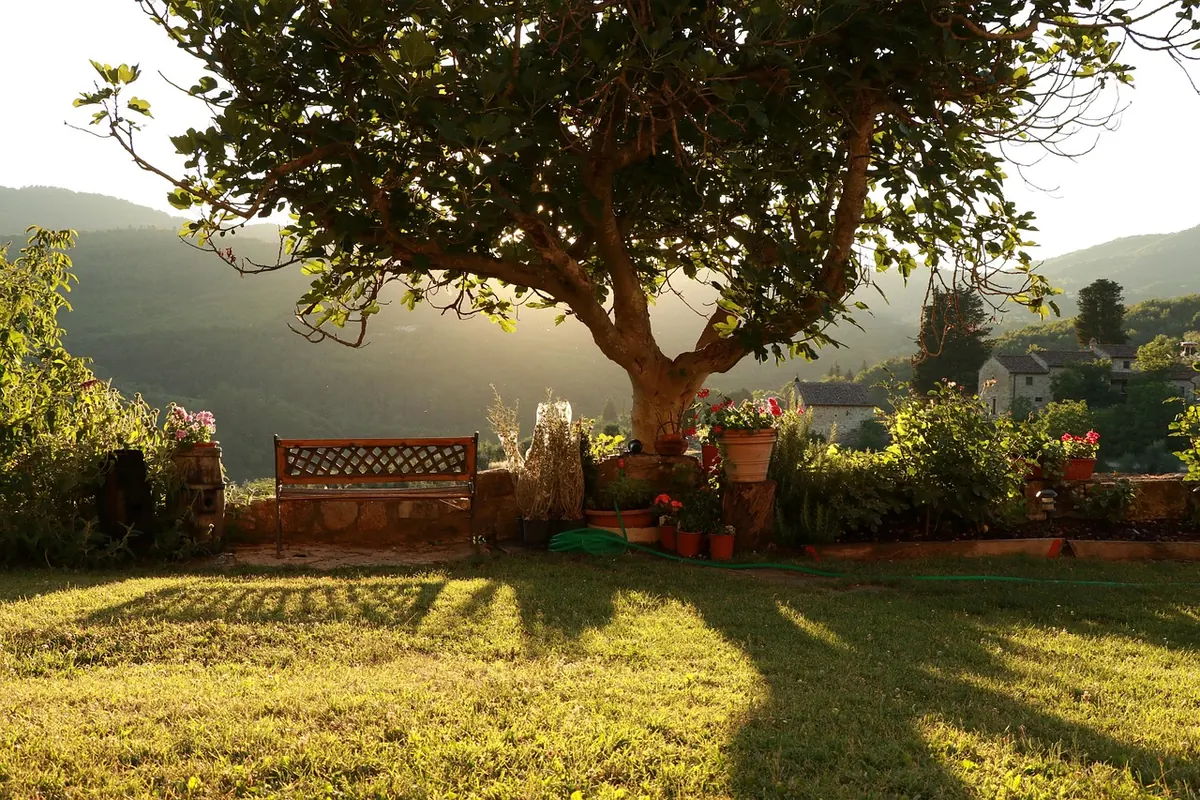
Everything is arranged around an event that lasts roughly forty minutes. Seating points outward, toward the horizon, not toward other tables. People arrive early, order something cold, and talk in lower voices than they would indoors. There is a pleasant restlessness in the last ten minutes before the sun drops — phones come out, then go away again. When the light is gone, most terraces empty within half an hour.
In a rooftop bar
The bar is the center of gravity, not the sky. Tables face each other. The room fills as the light fades and the volume rises with it, and the whole place hits its stride an hour after sunset, when a terrace would already be closing up. If you arrive at nine in the evening, you get the full experience — minus the pink.
Views: Framing the Sky vs. Framing the City
This is where photos mislead most. A sunset terrace sells a horizontal view: sea, hills, a line of rooftops, whatever sits between you and the west. The best ones have an unbroken western or north-western sightline, with nothing tall in the way — no dropped umbrella canopy at eye level, no glass panels catching a reflection exactly where the sun goes down.
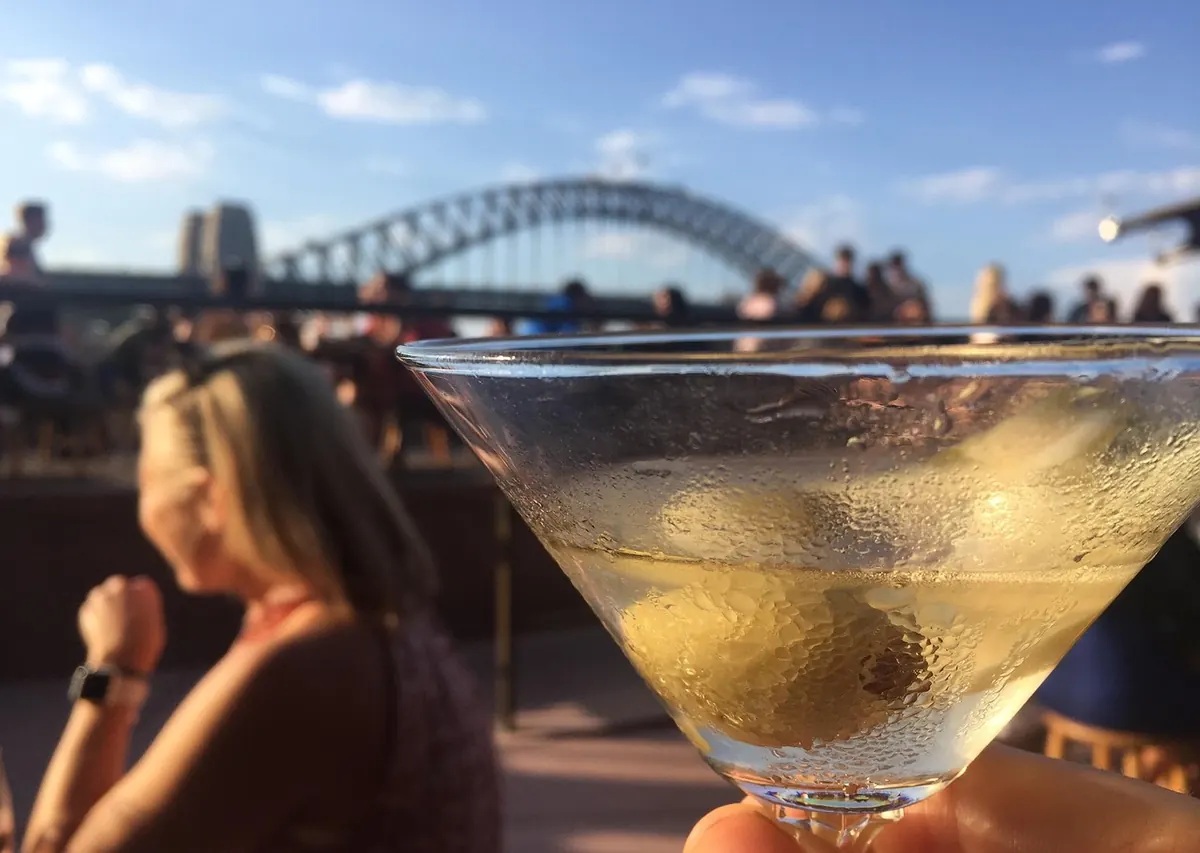
A rooftop bar sells a city view, which is a different pleasure entirely. You get depth: domes, chimneys, lit windows, the grid of streets switching on below you. But you often get it over a parapet, through a planted screen, or past four people standing at the railing. "Rooftop view" can mean a genuine panorama or a narrow slice between two buildings, and only a photo taken from the seating area will tell you which.
Ask before booking: which direction does the space face, is the west side open or glazed, and do fixed awnings get lowered in the evening.
Noise: The Factor Nobody Checks
Sunset terraces are quiet by nature for about an hour, and often stay that way. Rooftop bars are loud by design — music at conversational-blocking volume, a standing crowd, glassware, hard surfaces bouncing sound back at you. If the evening depends on talking, this matters more than the view. Three questions worth asking when you call:
- Is there music, and is it live or recorded? If live, what time does it start?
- Does the volume change later in the evening, and at roughly what hour?
- Are there tables away from the bar and speakers, or is all the seating in one open room?
A terrace with low recorded music and tables at the edge is a very different room from a rooftop where the bar is the acoustic center. Neither is better; one is better for a first date.
Food and Drink: Aperitivo Pace vs. Bar Pace
Sunset terraces
Menus tend to be short and cold-friendly: olives, cured meats, a plate of tomatoes, something fried, a house spritz. Service is quick because it has to be — the light is not waiting. Food stops mattering once the sun is down, so treat a terrace as a pre-dinner stop and book a table elsewhere for the main meal.
Rooftop bars
Cocktails lead and food follows. Expect a drinks list longer than the food menu, small plates built for sharing, and service that runs late. Ask whether the kitchen narrows its offering after a certain hour; many rooftops move to a snack-only list once the evening peaks, and arriving hungry at ten o'clock can be a disappointment.
Dress Code and Comfort: Where People Get Caught Out
City-center rooftop bars often hold a smart-casual line: no beachwear, no flip-flops, sometimes no sportswear, occasionally a collared shirt for men after a set hour. Nobody enjoys being turned away at the lift, and a single phone call settles it.
Sunset terraces are usually more relaxed, but they bring their own demands. Expect stairs, uneven stone underfoot, a breeze that arrives the moment the sun disappears, and sometimes a walk to a car or a ferry afterwards. Bring a layer even in July. Shoes that handle cobbles and steps are worth more than shoes that photograph well.
Which One Fits Your Plan?
Choose the sunset terrace when:
- The light is the reason you are going out — a toast timed to the horizon, a first evening in a new town.
- You want conversation, or you are meeting someone you have not seen in a year.
- You are eating dinner afterwards and want a light aperitivo first.
- Your group includes someone who does not drink, or someone who will not enjoy standing for two hours.
Choose the rooftop bar when:
- The evening starts at nine, not at sunset, and you want somewhere still alive at midnight.
- The cocktails are the point — the list, the mixing, the bartender.
- You are six or more and want standing room, music and a crowd.
- You would rather look at lit windows and rooftops than at open sky.
For a mixed group, the reliable compromise is terrace first, rooftop after: book the terrace for the hour before sunset, then walk to a bar nearby for the rest of the night. It solves the dress-code question too, since one outfit can work on both.
Before You Book: Six Quick Checks
- Check the sunset time. Arrive thirty to forty-five minutes early. The light is at its best before the sun touches the horizon, and the good tables go first.
- Request a west-facing table when you reserve, and ask what happens if it rains or the wind picks up.
- Confirm the music schedule if you have chosen a rooftop and care about hearing each other.
- Ask about minimum spends and reservations — policies differ sharply between terraces and rooftop bars, and between sitting at a table and standing at the bar.
- Ask when the kitchen closes or narrows its menu, and plan dinner around that answer.
- Have a backup. One indoor bar two streets away turns a rained-off evening into an anecdote rather than a disaster.
A modest terrace at the right hour will beat a spectacular rooftop at the wrong one. Match the room to the plan, and either choice feels like the obvious one.
Photo: emmacodd / Pixabay